
Feb 4 | Proteomic Approaches to Reveal New Functions of Metamorphic Proteins HINT1 and ATG101
Proteomic Approaches to Reveal New Functions of Metamorphic Proteins HINT1 and ATG101
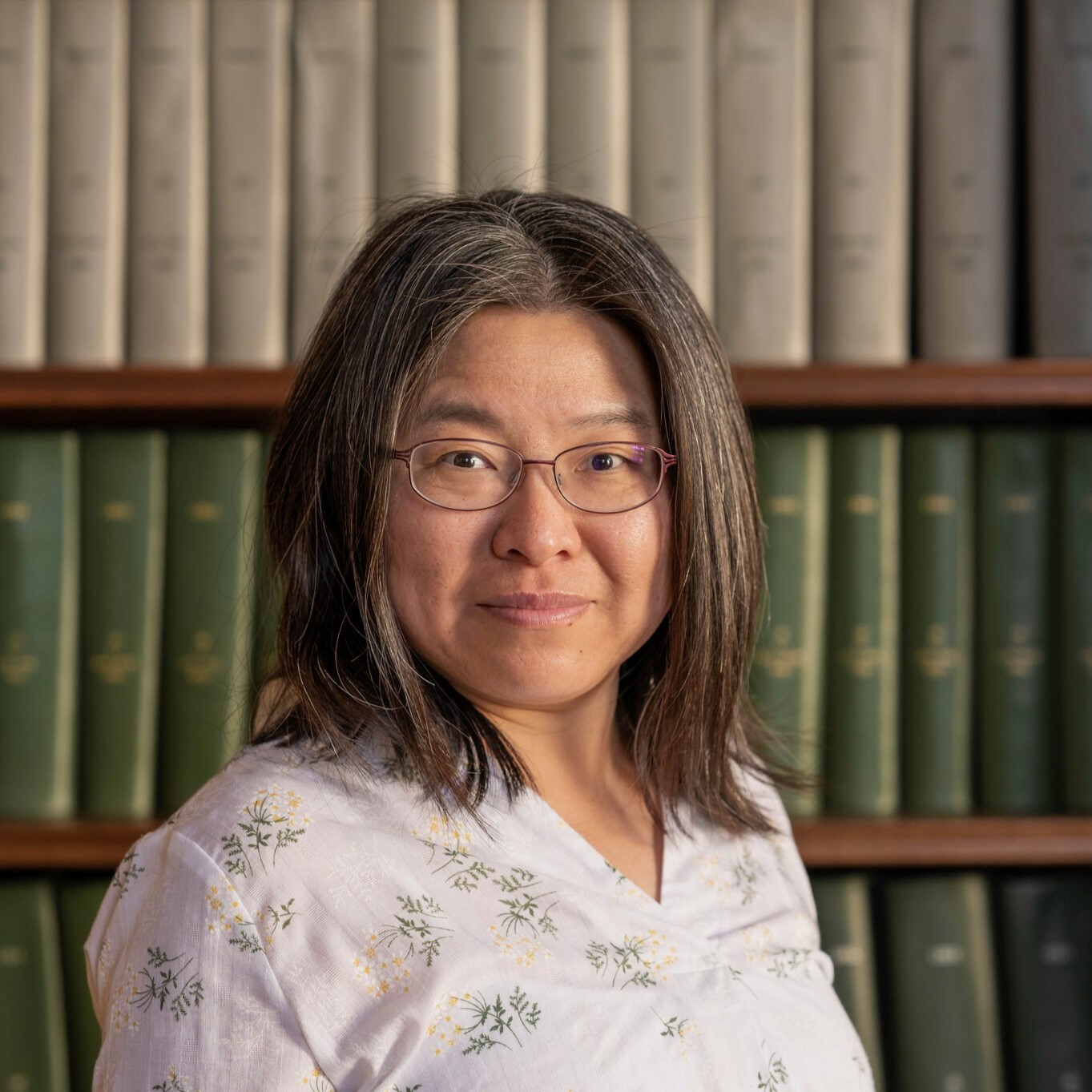
A scientific seminar by Dr. Tsui-Fen Chou, PhD
When: Wednesday, February 4, 2026 from 3 to 4 PM
Where: HMRI Auditorium | 686 S. Fair Oaks Ave., Pasadena, CA 91105 (Zoom option available)
Who Should Attend: Scientists, researchers, and scientific enthusiasts
Discover how cutting-edge research tools help reveal hidden functions of proteins in our cells, including HINT1 and ATG101, and why their ability to adapt and change shape matters for health and disease.
ABOUT THE SPEAKER
Dr. Tsui-Fen Chou’s scientific journey began in Taiwan, where she earned her bachelor’s degree in Pharmacy from National Taiwan University in 1999. In 2001, she moved from the tropics of Taipei to the icy lakes of the Midwest to pursue a PhD in Medicinal Chemistry at the University of Minnesota. Under the mentorship of Professor Rick Wagner, she completed her doctorate in 2006, focusing on the enzymology of phosphoramidate hydrolase and its implications for the rational design of antiviral and anticancer prodrugs.
In 2007, Dr. Chou joined the California Institute of Technology (Caltech) as a postdoctoral fellow in the laboratory of Professor Ray Deshaies. There, she pioneered the identification of chemical inhibitors of the AAA ATPase p97, applying structure-based drug design and high-throughput compound library screening.
Currently, Dr. Chou is a Research Professor of Biology and Biological Engineering at Caltech. Her research program spans multiple areas of chemical biology, proteomics, and translational science. She investigates physiological substrates of enzymes of unknown function, performs enzymatic and kinetic analyses to uncover critical amino acid residues, and develops small-molecule inhibitors for targeted cancer therapies. With extensive expertise in Orbitrap LC-MS/MS–based proteomics, she has identified functionally important protein complexes and advanced new workflows for quantitative analysis.
Expanding into neurodegeneration, Dr. Chou now applies induced pluripotent stem cell (iPSC)–derived neuronal models and brain organoids to identify disease biomarkers using proteomics. These models also provide a platform to evaluate therapeutic compounds for their ability to rescue phenotypes associated with pathogenic p97 mutations in motor neurons and organoids.